

Point-to-Point Delivery & Freight Coordination
HOME | SERVICES | POINT-TO-POINT DELIVERY & FREIGHT COORDINATION
SERVICES
Cargo Movement from Origin to Destination
PLP supports point-to-point cargo delivery and freight coordination for companies moving cargo through Poti, Georgia, and the wider regional logistics network.
From supplier pickup and port-to-terminal transfers to terminal-to-destination delivery, road transport coordination, rail-connected movement, sea freight coordination, and cross-docking support, PLP helps connect cargo flows across different transport stages.
Freight coordination built around real cargo routes
Cargo movement rarely starts or ends at the terminal gate. A shipment may need to be collected from a supplier, delivered to PLP for storage or customs procedures, transferred from port to terminal, loaded to a truck, connected to rail, or dispatched to a final destination.
PLP helps customers coordinate these movements by connecting terminal handling, storage, customs support, road transport, rail-connected operations, port-related transfers, and partner-based sea freight coordination into one practical logistics solution.
This service is designed for importers, exporters, freight forwarders, traders, industrial companies, vehicle logistics operators, and cargo owners who need reliable cargo movement from point A to point B.

Supplier-to-PLP Delivery
PLP can help coordinate cargo movement from a supplier, warehouse, factory, or loading point to the PLP terminal in Poti.
This service may be suitable for cargo moving from:
-
Tbilisi;
-
Other Georgian cities;
-
Azerbaijan;
-
Armenia;
-
Turkey;
-
Caucasus region;
-
Central Asia routes;
-
Other regional origins, subject to case-by-case coordination.
Supplier-to-PLP delivery is useful when cargo needs to arrive at the terminal for storage, customs procedures, cross-docking, consolidation, inspection, repacking, labeling, rail loading, port connection, or onward dispatch.

Port-to-Terminal and Terminal-to-Port Transfers
PLP’s location in Poti allows customers to connect cargo flows between port-related operations and terminal services.
PLP can help coordinate:
-
Port-to-terminal cargo movement;
-
Terminal-to-port cargo movement;
-
Container transfer support;
-
Cargo arriving from vessel-related routes;
-
Cargo preparing for sea shipment;
-
Cargo requiring storage or customs procedures before port transfer;
-
Cargo requiring handling, inspection, sorting, or documentation before dispatch.
This service is useful for customers who need a reliable terminal support point near Poti’s port logistics environment.
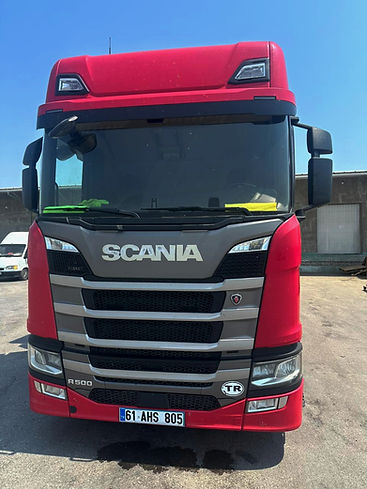
Road Transport Coordination
Road transport is often the most flexible solution for regional cargo movement.
PLP can help coordinate road transport for:
-
Full truckload cargo;
-
Container trucking;
-
Palletized cargo;
-
General cargo;
-
Vehicles;
-
Big bag or bulk-packed cargo;
-
Oversized cargo, subject to route and handling review;
-
Cargo moving to or from PLP.
Road delivery can be connected with PLP’s handling, storage, customs, inspection, and dispatch services so customers can manage the full cargo flow more efficiently.

Rail-Connected Logistics
PLP can support cargo flows that require rail-connected operations through terminal handling, loading/unloading support, and coordination with rail-linked movement where applicable.
Rail-connected logistics may include:
-
Cargo transfer between truck and rail;
-
Cargo preparation for rail movement;
-
Vehicle or general cargo dispatch planning;
-
Rail wagon loading/unloading coordination;
-
Terminal storage before or after rail movement;
-
Rail-linked import or export cargo flows.
Sea Freight Coordination
PLP can support sea freight coordination through partner networks, shipping lines, agents, and relevant logistics providers.
This may include coordination around:
-
Cargo moving through Poti port routes;
-
Cargo requiring terminal support before sea shipment;
-
Cargo arriving from sea routes and requiring inland terminal services;
-
Containerized cargo linked to international sea transport;
-
Terminal-to-port or port-to-terminal transfer planning;
-
Storage, customs, inspection, or dispatch before or after sea movement.
PLP supports sea freight coordination through logistics partners and port-connected cargo flows.

Cross-Docking and Cargo Transfer
Cross-docking is one of the most important links between terminal operations and point-to-point delivery.
PLP can support cargo transfer between:
-
Truck and truck;
-
Truck and container;
-
Container and truck;
-
Truck and warehouse;
-
Warehouse and truck;
-
Terminal yard and dispatch vehicle;
-
Port-connected transport and terminal handling;
-
Road and rail-linked movement.
Cross-docking helps customers reduce unnecessary storage time, consolidate shipments, transfer cargo faster, and prepare cargo for the next transport stage.

Freight Consolidation and Sorting
Some cargo movements require consolidation before dispatch.
PLP can support freight consolidation and sorting when cargo needs to be:
-
Combined with other cargo;
-
Separated by destination;
-
Sorted by order, client, consignee, or cargo type;
-
Prepared for truck dispatch;
-
Prepared for warehouse movement;
-
Prepared for port or rail-connected movement;
-
Organized before final delivery.
This is useful for customers managing mixed shipments, regional distribution, or cargo that arrives in several lots and needs to leave as one coordinated shipment.

Insurance, Inspection, and Delivery Support
For selected cargo flows, PLP can support additional services connected to cargo movement, such as:
-
Insurance arrangement;
-
Cargo inspection and quality control;
-
Documentation support;
-
Digital reports and tracking access, where agreed;
-
Priority handling;
-
Special delivery coordination;
-
Surveillance or escort for high-value cargo, where required.
These services can be included in a wider point-to-point delivery solution depending on cargo type, value, risk profile, route, and customer requirements.
Why Choose PLP for Point-to-Point Delivery
1 / Terminal and transport coordination in one process
PLP connects cargo handling, storage, customs support, inspection, cross-docking, and delivery coordination so customers do not have to manage each step separately.
2 / Flexible road, rail, and port-connected options
Cargo can be coordinated through road transport, rail-connected operations, port transfers, partner-based sea freight coordination, or mixed transport solutions.
3 / Strong position in Poti
PLP’s location allows customers to use the terminal as a practical logistics point between port, road, rail, customs, storage, and regional cargo routes.
4 / Useful for different cargo types
Point-to-point delivery can support containers, vehicles, palletized cargo, general cargo, warehouse cargo, big bags, oversized cargo, and special cargo subject to review.
5 / Personalized route planning
Every cargo route is different. PLP reviews origin, destination, cargo type, timing, customs status, handling requirements, route conditions, and required services before confirming a delivery solution.
How route planning works
1. Send route and cargo details
Share pickup location, delivery destination, cargo type, weight, volume, dimensions, packaging, customs status, and required delivery timing.
4. Cargo moves through the agreed route
Cargo may be picked up, delivered to PLP, handled, stored, inspected, cleared, cross-docked, consolidated, or dispatched onward.
2. PLP reviews the route
Our team reviews the cargo movement plan, transport mode, terminal services required, customs considerations, handling needs, and operational feasibility.
5. Cargo reaches the next destination
Depending on the case, PLP supports delivery to port, terminal, warehouse, final consignee, rail-connected route, or regional destination.
3. We prepare the service solution
PLP confirms the recommended logistics flow, required terminal services, transport coordination, timing, and commercial terms.
Need to move cargo from point A to point B?
Send us your cargo details, pickup location, destination, timing, customs status, and required services. PLP will review the route and prepare a personalized point-to-point delivery and freight coordination offer.


